The SWIO-Energy project (Solar and Wind Energy in the Indian Ocean) is an innovative regional cooperation project that is part of the current collective effort to adapt to climate change and mitigate its effects in the energy sector.
It involves three structures:
The ENERGY-lab / LE2P laboratory, University of La Réunion
The Department of Physics, University of Mauritius
The Renewable Energy and Energy Efficiency Laboratory, University of Mascareignes, Mauritius.
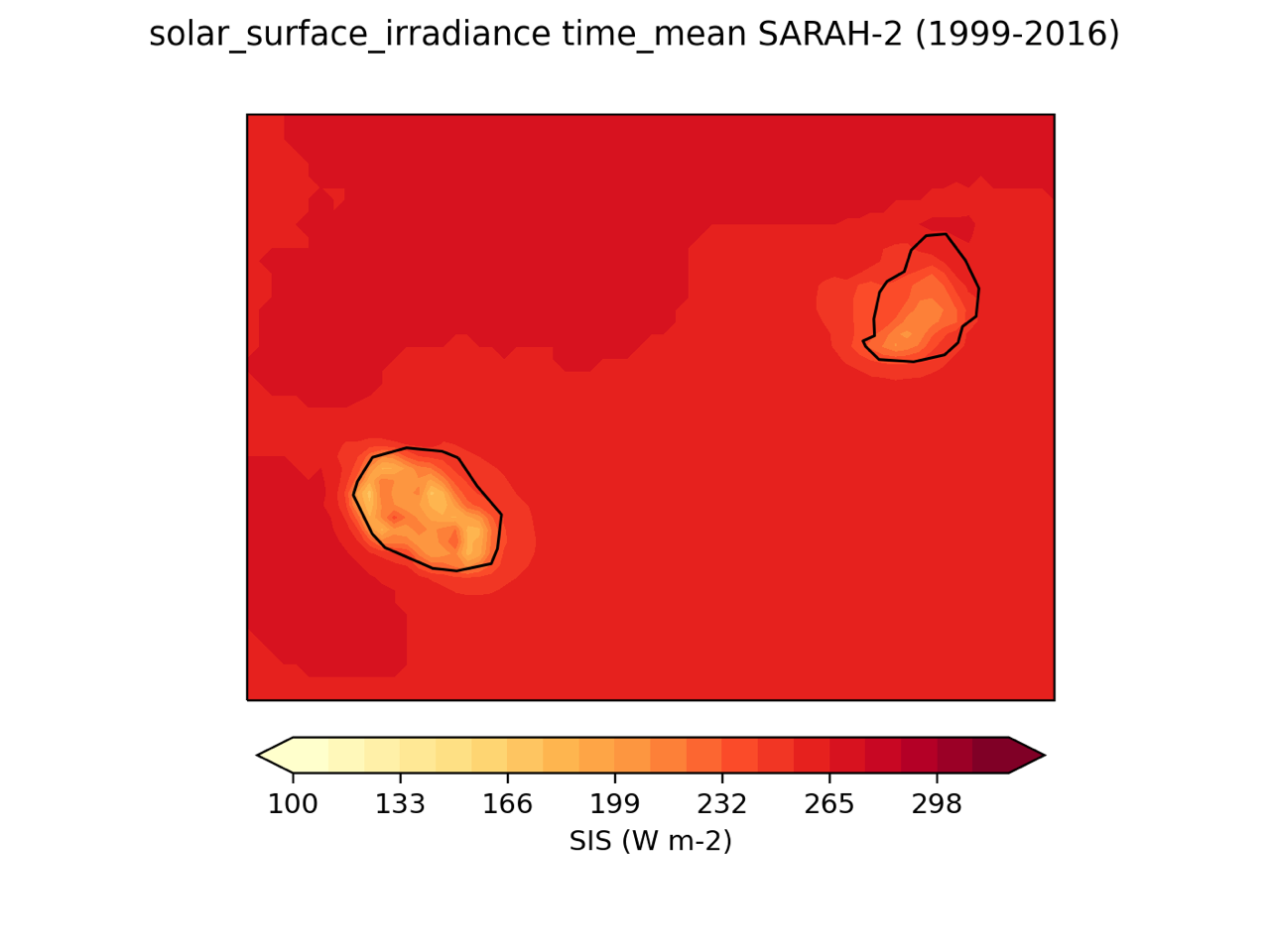
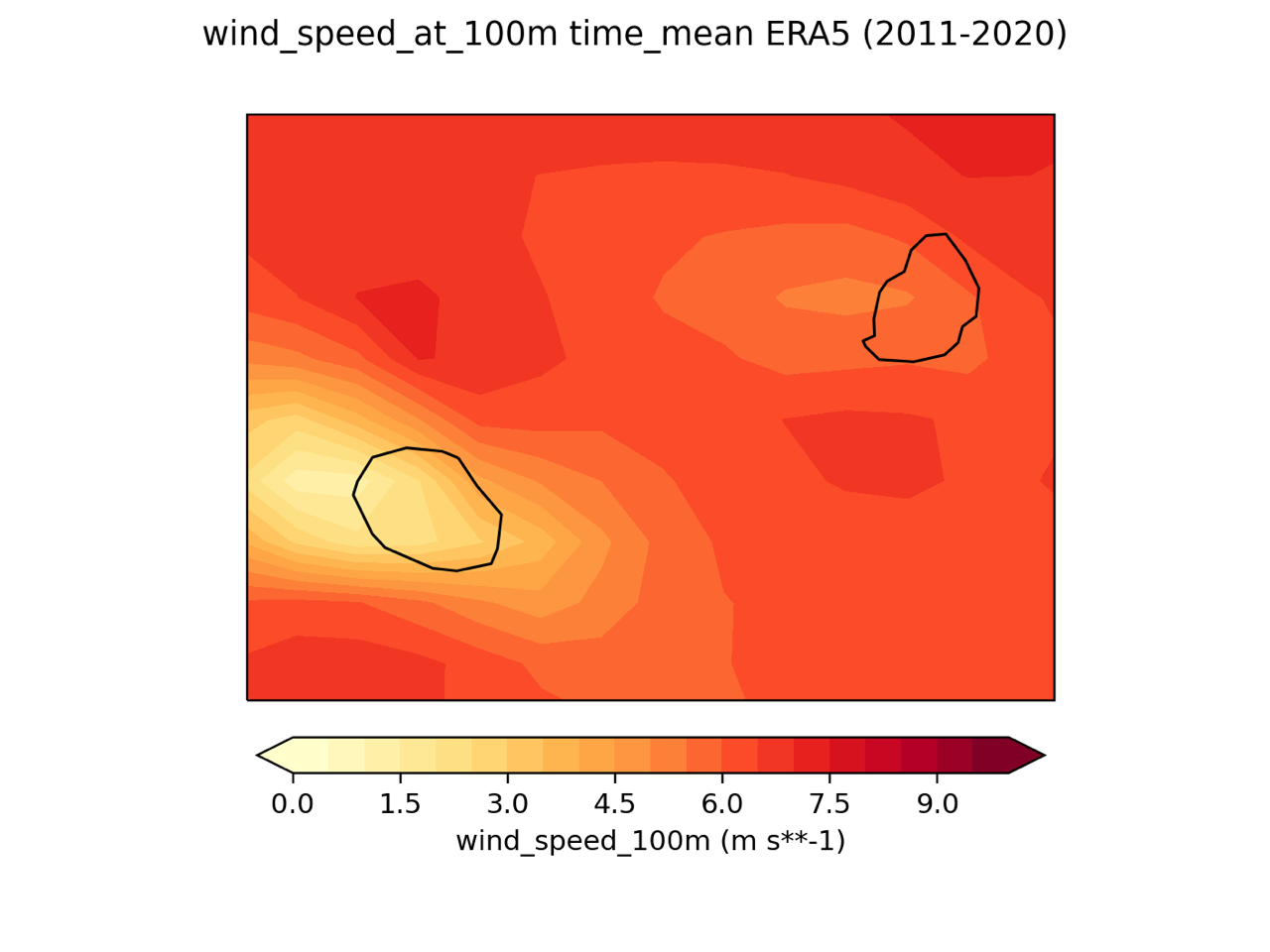
This 36-month project, unique to Reunion Island and the South-West Indian Ocean (SOOI), proposes to implement an innovative analytical approach to carry out climate analyses on solar and wind energy variability in the SOOI area, in particular on the islands of Reunion and Mauritius at different time scales: intraday, intra-seasonal, interannual.
The specificities of this project lie in the elaboration and analysis of climate simulations for the future (middle and end of the century) and on a fine spatial scale, which is of great interest especially for the actors working on the energy independence of La Réunion and Mauritius.
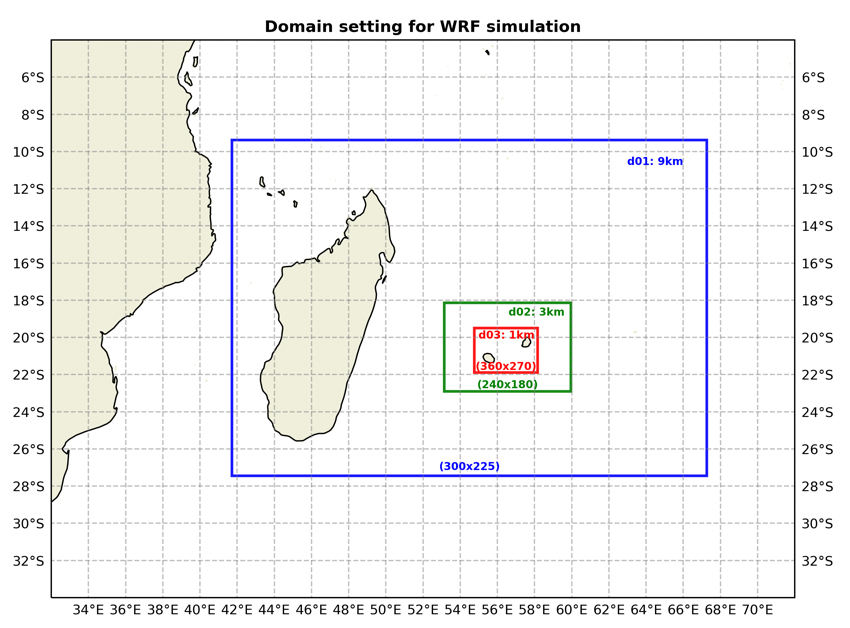
The objective of the project is to estimate the impact of climate change on solar and wind energy resources in the SOOI area, using regional climate simulations at very high spatial resolution (~ 1 km) from the WRF (Weather Research and Forecasting) regional climate model, with a particular focus on the two islands of Reunion and Mauritius.
This research would provide numerical simulation tools that would help to better specify the solar and wind potential of the region’s territories. This information could be used to better evaluate the evolution of the resource and its management in time and space. It could also be used to develop tools for the management of renewable energy risks (periods of shortage, for example).
The local projections produced by this model are of great interest, in particular for decision-makers and for the actors of the solar and wind energy sectors who are working on the energy independence of Reunion and Mauritius.
The innovative analytical approach is based on the combined analysis of in-situ data, satellite data and and regional climate simulations at very high spatial resolution (~ 1 km) from regional climate model WRF(*).
The WRF model is an essential component of the SWIO-Energy project in partnership with the two Mauritian universities:
University of Mauritius
University of Mascarene, Mauritius.
(*) WRF: Weather research and Forecast model : numerical model for weather and climate prediction used by meteorological services and in the fields of atmospheric research.
Actions:
Processing and analysis of all observation data (ground-based, satellite) for the study of scale interactions and climate variability of solar radiation and wind:
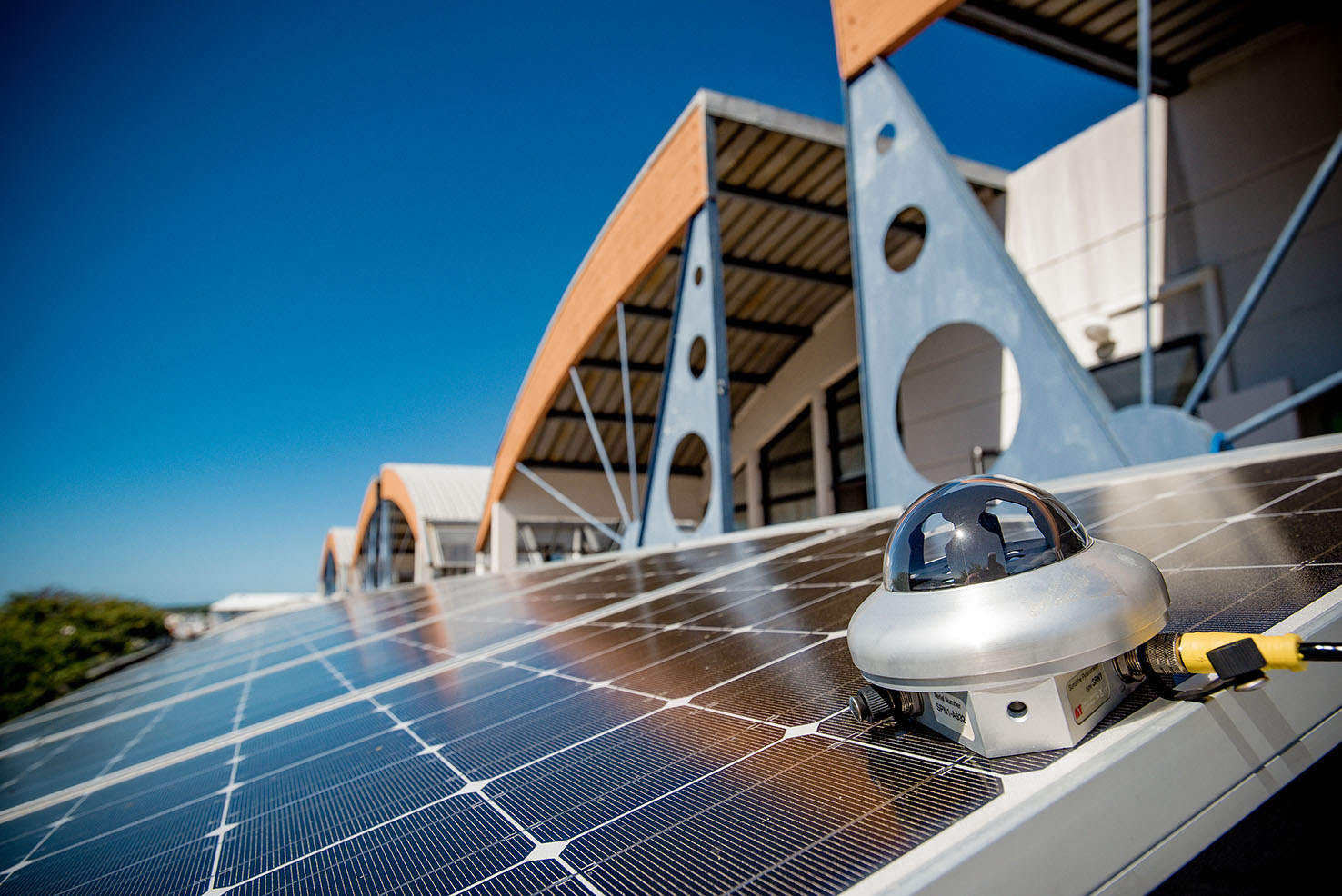
Deployment of new sensors for the measurement of solar radiation and wind in Reunion and Mauritius as part of the radiometric network IOS-net of the laboratory ENERGYlab/LE2P
Validation of satellite data by comparison with ground data
Processing and analysis of global and regional climate model outputs:
Dynamic approach: regional simulations of recent and future climate of Reunion and Mauritius using the WRF model
Statistical approach: use of machine-learning techniques.
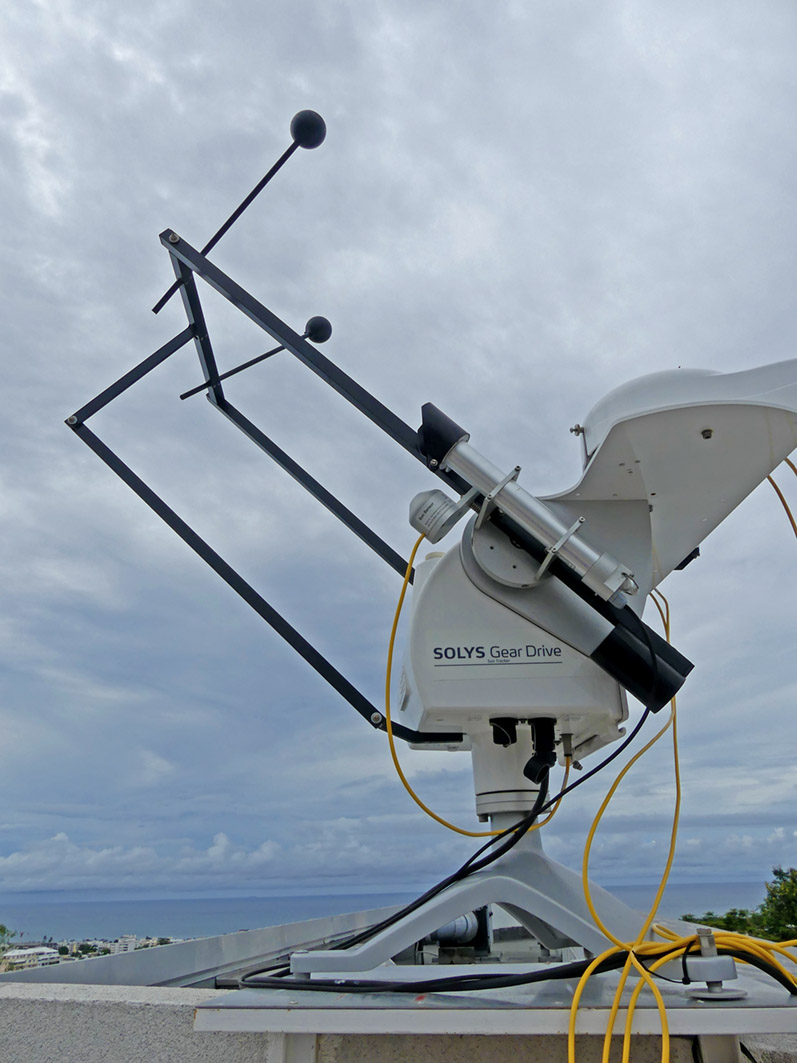
Traque-soleil
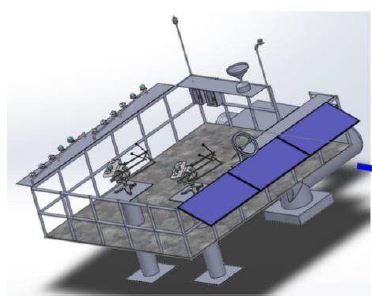
New technical platform for the BSRN station
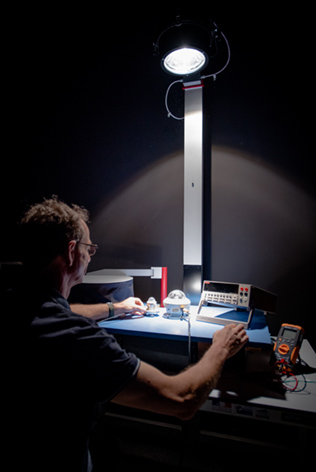
INTERNAL PYRANOMETER CALIBRATION BENCH
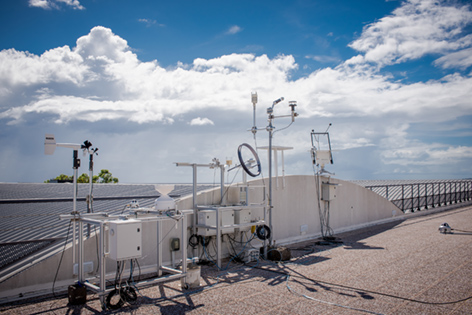
REFERENCE WEATHER STATION
PYRANOMETER
Other Instrumentation: pyranometer, UV radiometer, and weather transmitter
Partnerships with academics
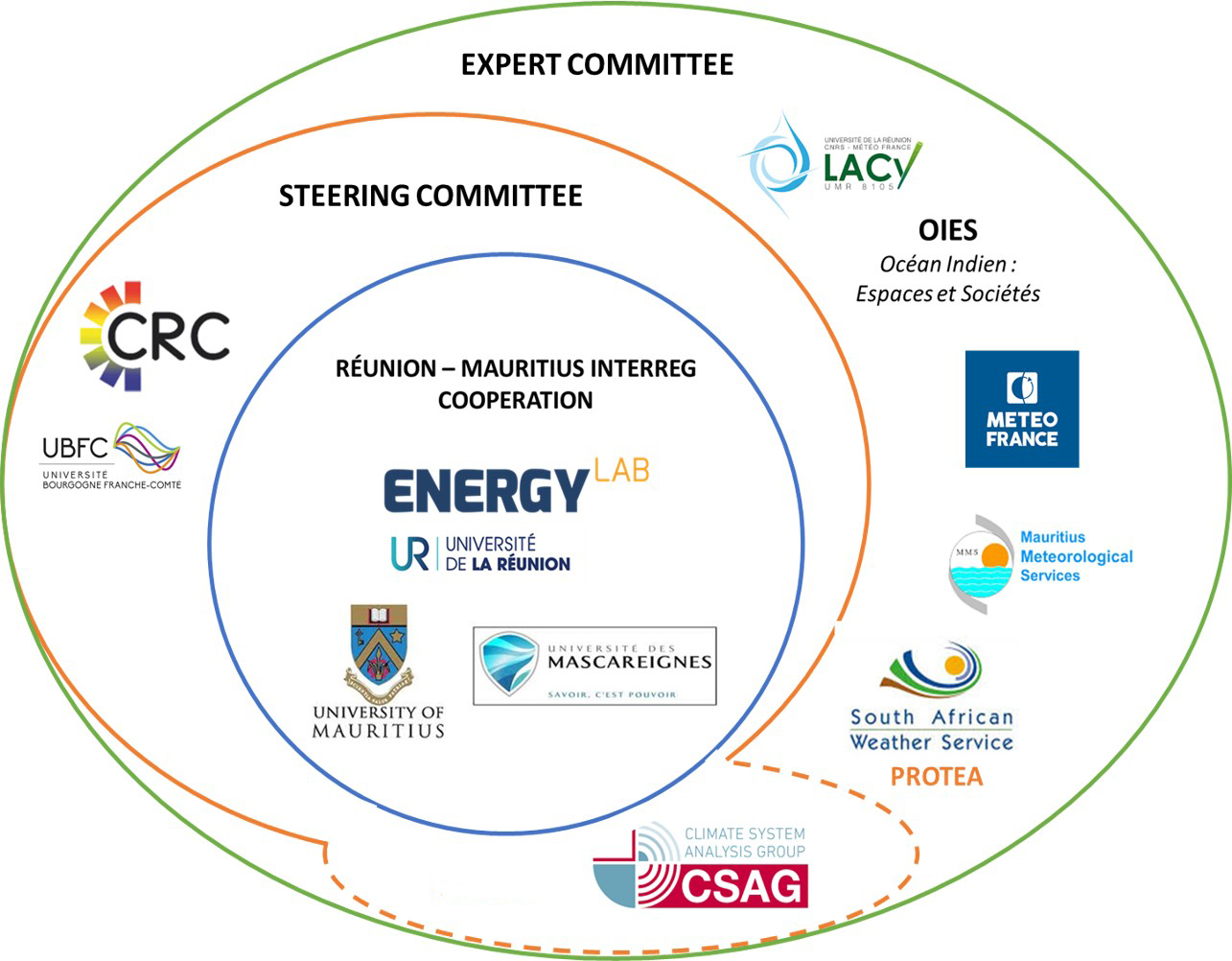
The SWIO-Energy project is part of an international cooperation dynamic aiming at structuring the regional scientific community and reinforcing cooperation around energy management issue.
It is based on a strong partnership dynamic with a network of internationally renowned partners :
The Department of Physics, University of Mauritius and the Renewable Energy and Energy Efficiency laboratory of the University of Mascareignes, Mauritius
Several laboratories and universities in France and South Africa: LACy and OIES (University of La Réunion), CRC-Biogéosciences (University of Bourgogne Franche-Comté, France), CSAG (University of Cape Town, South Africa)
The meteorological services of La Réunion (Météo-France), Mauritius (MMS) and South Africa (SAWS)